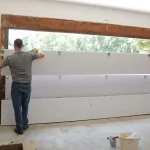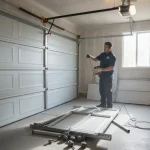


A garage door can fail when you are leaving for work, returning home at night, or trying to secure the house before bed. The door may stop halfway, hang crooked, refuse to close, or become too heavy for the opener to lift.
During an emergency garage door repair situation, your first job is not to figure out how to repair the door yourself. Keep people away from the opening, stop operating the system when damaged parts are visible, and avoid touching springs, cables, brackets, or an off-track door. These parts can be under high tension, and forcing the door can turn one failed component into a larger problem.
What Counts as a Garage Door Emergency?
Not every garage door noise requires an emergency call.
A squeak or a remote with a weak battery may be inconvenient without making the door unsafe. Other problems need faster attention because the door can fall, become unsecured, trap a vehicle, or place damaged components under additional stress.
Common reasons for emergency garage door repair include:
- A broken garage door spring
- A snapped or loose cable
- A garage door hanging crooked
- A door that has come off its tracks
- A garage door stuck halfway open
- A door that will not close and leaves the home unsecured
- A door that dropped unexpectedly
- A damaged panel affecting door movement
- An opener operating while the door itself is no longer balanced
- A vehicle trapped because the door cannot be opened safely
The Door & Access Systems Manufacturers Association advises that a door that does not move smoothly may have an unsafe condition, including a spring system that is out of balance.
Stop Using the Garage Door When a Spring Is Broken
A broken spring is one of the clearest situations where continued operation should stop.
Garage door springs counterbalance much of the door’s weight. When a spring fails, the door can become much heavier than expected, and the opener may no longer be able to move it correctly.
DASMA advises homeowners not to operate a garage door with a broken spring until the spring has been replaced. It also warns against attempting to remove, repair, or adjust springs, cables, brackets, or related components because these parts can store substantial tension.
You may notice a visible gap in a torsion spring above the door or hear a loud snapping sound before the door stops working.
If that happens, leave the door where it is and arrange garage door spring replacement rather than trying to lift the door to get one more vehicle out.
Do Not Pull the Emergency Release Without Knowing the Door Condition
The red emergency-release cord disconnects the garage door from the automatic opener so the door can be operated manually.
It is useful during some power outages and other situations, but it should not be treated as the first response to every malfunction.
If a spring is broken or the door is badly unbalanced, disconnecting the opener can remove one of the components that is helping hold the door in position.
Federal garage-door opener safety information warns that emergency releases should, where possible, be used when the door is closed. It also warns that weak or broken springs can increase the speed at which a door falls after the opener is disconnected.
If the door is open, crooked, or unusually heavy, do not pull the release simply because the opener has stopped working.
Wait for the door system to be assessed.
Keep People Away From an Off-Track Garage Door
A garage door that has left its track can become unstable.
One side may be higher than the other. Rollers may be outside their normal position, and cables can become loose or uneven.
This is not the time to push the door back toward the track.
Garage doors are engineered as systems in which panels, tracks, hinges, rollers, springs, cables, drums, brackets, and fasteners work together. Altering one part while the rest of the door is under load can change how forces move through the system.
Keep children, pets, vehicles, and other people away from the opening.
Do not stand under an off-track door to inspect it from below. If the door is hanging at an angle, stay clear until a technician can stabilize it.
Leave Broken or Frayed Garage Door Cables Alone
Cables may look small compared with the garage door, but they work with the spring system during lifting and lowering.
A cable problem can cause one side of the door to move differently from the other.
DASMA recommends visually checking cables for wear but states that frayed or worn cables should only be replaced by trained technicians because of the spring tension involved.
If you see a hanging, frayed, snapped, or loose cable, avoid pulling it or trying to place it back on the drum.
The door may still contain stored spring force even though the cable looks slack.
A damaged cable can also be connected with an uneven or off-track door, which makes attempts to operate the system more risky.
Professional garage door cable replacement is safer than attempting to wind or reconnect lifting cables without the correct equipment.
What Should You Do if the Garage Door Is Stuck Open?
A door stuck open creates two problems.
The first is the failed door system. The second is that your garage and possibly the home are no longer secured in the normal way.
Start by keeping everyone away from the opening.
Do not repeatedly press the wall button or remote if the door is crooked, a spring has failed, a cable is loose, or the opener sounds strained.
If you have an interior door connecting the garage to the house, keep that door closed and locked while waiting for repair.
Move valuables out of sight where this can be done without entering an unsafe garage-door opening.
Do not attempt to force a damaged garage door closed by pulling on panels or standing underneath it.
The safer goal is to limit access to the garage while waiting for the door to be stabilized and repaired.
What if Your Vehicle Is Trapped Inside the Garage?
A trapped vehicle can create pressure to move the garage door yourself, especially when you need to get to work or another appointment.
The urgency does not change the forces acting on a broken spring or cable.
If the door cannot be operated normally and damaged components are visible, use another transportation option while waiting for repair when possible.
Do not recruit several people to lift a door with a broken spring.
A garage door can be much heavier once the counterbalance system fails, and it may not remain in the raised position.
DASMA states that even older garage doors should move smoothly when operated manually. Difficult or awkward manual movement can point to an unsafe balance condition.
A vehicle can be replaced or retrieved later. An injury caused by a falling door creates a much larger emergency.
What Should You Do if the Garage Door Will Not Close?
First, look at the situation without touching springs or cables.
If the door appears straight and the opener simply reverses before reaching the floor, the photoelectric sensors may need attention.
Check whether an object is blocking the sensor path. Avoid adjusting mechanical door components while doing this.
Automatic residential garage door openers are subject to federal entrapment-protection requirements. The Consumer Product Safety Commission has long advised that openers that do not reverse as required should be repaired or replaced.
If the door is crooked, scraping the track, making a snapping sound, or supported unevenly, stop testing the opener.
That is no longer a simple sensor check.
Avoid Repeatedly Pressing the Garage Door Opener
When a garage door stops moving, many people press the remote several more times.
That can add strain when the opener is not the original problem.
For example, a broken spring can make the door too heavy for the opener. The motor may run, but the door only moves a few inches.
A cable or track problem can also prevent normal movement.
Automatic openers are meant to move a properly operating garage door, not compensate for a failed counterbalance system.
If the opener sounds different or the door moves only partway, stop cycling it until the door’s mechanical condition is known.
If diagnosis shows that the opener itself is responsible, garage door opener repair can then address that part of the system.
Take Photos Before Emergency Garage Door Repair Begins
When it is safe to do so, take several photographs from a distance.
Capture the full door, tracks, visible cables, springs, damaged panels, and the position where the door stopped.
Photos can help you describe the problem when requesting service.
They can also document damage after a vehicle impact or another incident.
Do not move closer to a hanging door simply to get a better picture.
Useful information to provide includes what happened immediately before the failure, whether you heard a snap, whether the opener still runs, whether the door is crooked, and whether the problem affects a residential or commercial door.
That information can help the technician prepare for the likely repair.
Keep Children and Pets Out of the Garage
A stopped garage door can attract attention.
Children may want to see why it is hanging at an angle, and pets can move beneath an open door before you can stop them.
Close access from inside the home where possible.
DASMA advises keeping people clear of the opening while garage doors operate and stresses that spring-related components can create serious injury risks when damaged.
The safest temporary rule is simple: treat the garage-door opening as off-limits until the problem is repaired.
Do Not Turn Emergency Garage Door Repair Into a DIY Spring Job
Some garage door tasks, such as changing a remote battery, are homeowner maintenance.
Spring, cable, bottom-bracket, and counterbalance work belong in another category.
DASMA warns that bottom brackets are connected to the spring system and can remain under extreme tension. Its safety guidance recommends trained technicians for spring and cable repairs.
Watching a repair video does not remove the stored energy in the system.
If the emergency involves the lifting system, limit your role to keeping the area clear, describing the symptoms, and waiting for professional repair.
Get Emergency Garage Door Repair Before Forcing Another Cycle
A garage door stuck open can leave your property exposed. A broken spring can leave a vehicle trapped. An off-track door or snapped cable can make the entire opening unstable. In each case, forcing another opening cycle can create more damage or place someone beneath a door that is no longer balanced correctly.
Ocean Global Garage Doors provides 24/7 emergency garage door repair in Huntington Station and surrounding Long Island communities, including urgent help for broken springs, damaged cables, off-track doors, opener failures, damaged panels, and doors that will not open or close. If your garage door has failed and you cannot use it without forcing the system, contact Ocean Global Garage Doors and keep the area clear until the door can be inspected and repaired.